

TEST POST – What Is a Hybrid Work Model? Benefits and How to Implement It Effectively
After years of experimenting with both office-based and remote work, more and more businesses are choosing the hybrid work model as a balanced solution. So what exactly is hybrid work, what forms does it take, what benefits and challenges does it bring, and how should businesses prepare to implement it effectively? This article provides a comprehensive overview.
1. What is a hybrid work model?
A hybrid work model is an arrangement in which employees split their time between working at the office and working remotely (from home or another location), according to a ratio and rules set by the business. Rather than being tied to a fixed location, hybrid work focuses on results and flexibility in how time is organized.
Hybrid work is not simply “allowing people to work from home a few days a week”. It is a holistic way of operating that requires businesses to rethink their HR policies, collaboration tools and workplace culture.

2. Common types of hybrid work
Depending on their industry and size, businesses can choose one of the following approaches:
- Fixed hybrid: The business sets specific office days and remote days, for example 3 days in the office and 2 days at home.
- Flexible hybrid: Employees choose which days to come into the office, as long as they meet the minimum number of days and keep work on track.
- Office-first: The office is the primary workplace, and remote work is only allowed in certain cases.
- Remote-first: Most work is done remotely, and the office is mainly used for team meetings, training or meeting clients.
3. Benefits of the hybrid work model
When implemented properly, hybrid work creates value for both employees and businesses:
- For employees:
- Better work-life balance: Less time spent commuting and more control over personal schedules.
- Improved focus: Employees can choose the right environment for each type of task, for example focused work at home and meetings or discussions at the office.
- Higher satisfaction: Many employees see flexibility as an important benefit.
- For businesses:
- Lower operating costs: Businesses can reduce office space, utilities and facility costs.
- Attracting and retaining talent: Flexible policies help businesses compete more effectively in the recruitment market.
- A wider talent pool: Businesses can hire candidates who live far from the office.
4. Challenges of adopting hybrid work
Alongside the benefits, businesses should anticipate several challenges:
- Communication and coordination: Information can easily be disrupted when team members do not work at the same time or in the same place.
- Performance evaluation: Managers used to evaluating based on presence will struggle unless they shift to evaluating objectives and results.
- Engagement and company culture: Less face-to-face interaction can weaken team bonds, especially for new employees.
- Information security: Working outside the office increases the risk of data leaks if devices and connections are not properly protected.
- Fairness across teams: Not every role can be done remotely, which can create a sense of unfairness if the policy is not clear.
5. How should businesses prepare to implement hybrid work effectively?
For a hybrid work arrangement to be effective, businesses should prepare the following elements in a coordinated way:
- Develop a clear policy: Define who is eligible, the number of office days, core working hours, and the request and approval process.
- Review employment contracts and internal labor rules: The place of work is a key element of an employment contract under Vietnam’s 2019 Labor Code, so businesses need to update contracts, appendices and internal rules to reflect the new working arrangement.
- Invest in collaboration tools: Provide video conferencing, task management and shared document storage tools so that work runs smoothly.
- Shift to results-based management: Use methods such as OKRs or KPIs to evaluate performance based on objectives and results rather than time spent in the office.
- Ensure information security: Use VPNs and two-factor authentication, set rules for personal devices, and provide security awareness training for employees.
- Maintain engagement: Hold regular meetings, internal activities and “together days” at the office to keep team members connected.
If your business needs support in developing HR policies, reviewing employment contracts or managing HR during the transition to hybrid work, please contact HR2B for detailed advice.
The hybrid work model is not just a trend but is increasingly becoming the standard way of operating for many modern businesses. To make hybrid work truly effective, businesses need clear policies, the right technology and a results-based management culture. Contact HR2B today to build a flexible and sustainable workplace together.
What does a job application include is a question almost everyone encounters when starting a job search or preparing to change...

What is a portfolio? It is a curated collection of a person’s most representative projects and results, helping employers see...
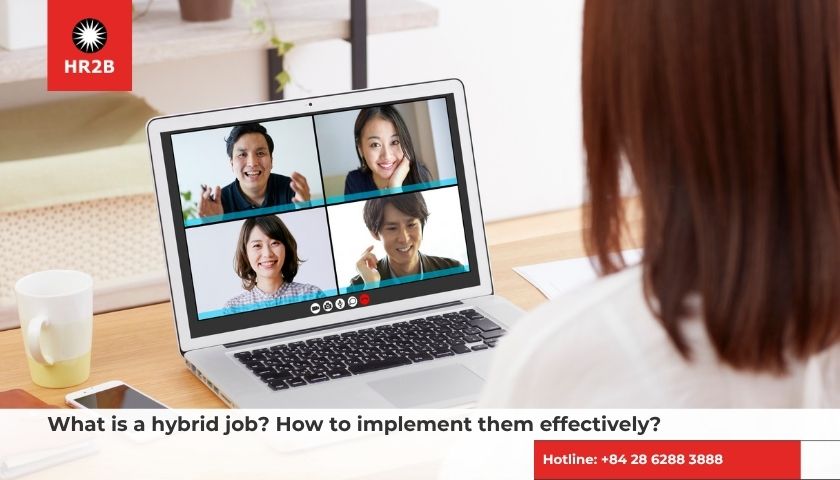
Many people ask what a hybrid job is as this working arrangement becomes increasingly popular. This is a flexible form of...

Payroll sheet service helps businesses outsource the entire process of salary calculation, insurance declarations, and personal income tax to a specialized...
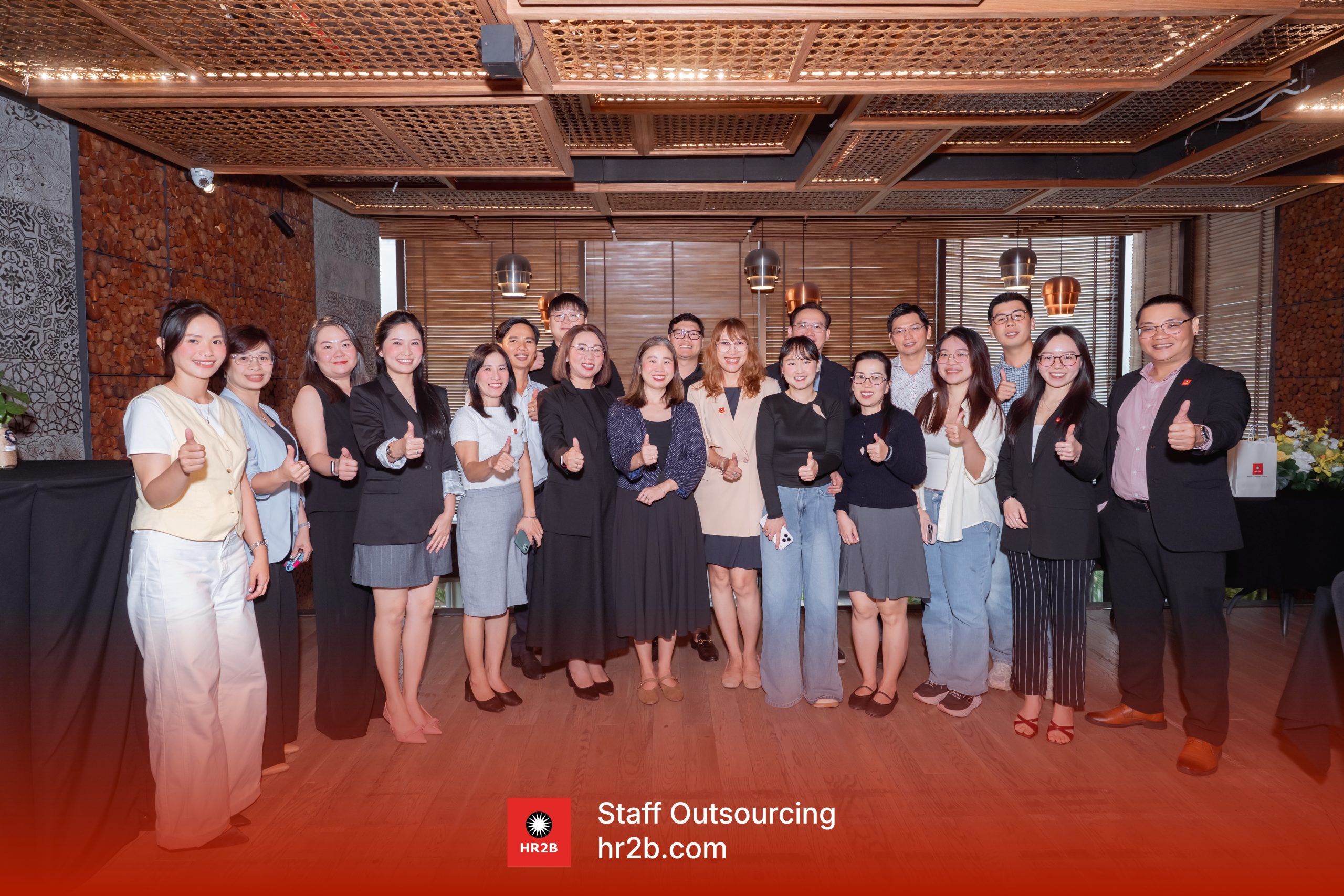
HR2B is pleased to look back on the memorable moments from the HR Sharing session “Staffing Outsourcing: Driving Business Flexibility,”...


